


How do you share your brand story in a way that sticks?
People don’t remember facts, they remember stories. The same goes for brands. You can tell people what you do, what services you offer and how good your product is, but only when you tell a story does your brand really come through. Video is the perfect tool for that. Storytelling in video is not about making something up or exaggerating. It’s about showing who you are, why you do what you do and what your brand means to the people who work with it or use it.
What is storytelling in video?
Storytelling means wrapping your message in a logical and human story. Instead of listing features, you take the viewer with you. You show where you come from, what drives you and where you want to go. In video, you see faces, hear voices and feel atmosphere. That makes a story believable. People gain trust faster when they not only read about a brand, but also see and experience it. A good brand story often consists of three simple parts
- Who are you?
- Why do you do what you do?
- For whom are you making a difference?
- Why storytelling works so well in video
Video combines image, sound and emotion. This makes a message stick better than text or single images. People feel a connection faster when they follow a story instead of watching an advertisement. Storytelling helps to:
- build confidence
- Humanize your brand
- create recognition
- Differentiate yourself from competitors
- Hold attention longer
That’s why you see storytelling increasingly in corporate videos, product videos and campaigns. Brands that only transmit disappear from view faster. Brands that tell stories stick around.
How do you tell your brand story?
A strong brand story starts not with the camera, but with the content. It’s not about perfection; it’s about authenticity. Start at the core:
- What makes your brand different?
- Why did you ever start?
- What do you want to do for customers, students or employees?
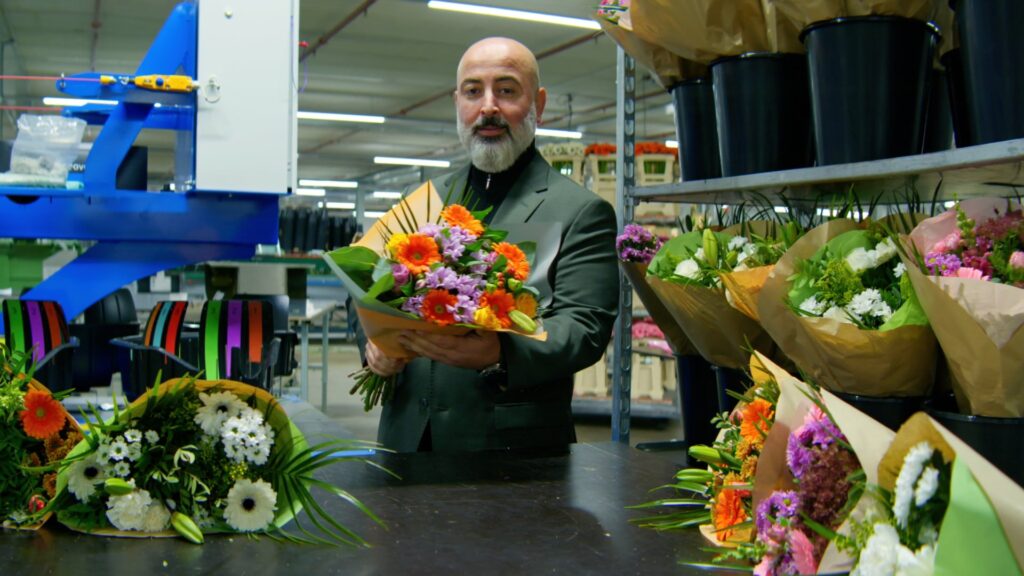
Then have people tell the story. Think founders, employees, customers or a presenter who takes the viewer along. In previous productions, such as Cinefleur, see how a presenter helps make a story clear and accessible to a wide audience. Images support the story. You show how work is done, how products are used and what the atmosphere feels like. This makes the story concrete and believable.
Storytelling is more than one video
Many brands think of storytelling as one big corporate film. But a story is actually built in parts. Making multiple videos creates a complete picture of your brand. Think about:
- a brand film for your website
- short stories from employees for social media
- customer stories that show what you deliver
- product videos that support your vision
This way you work efficiently and consistently on your brand story.
Storytelling and consistency
A good story only works if it remains recognizable. That’s why consistency is important. The same tone of voice, the same style and the same message create trust.
More and more organizations are therefore opting for structural content production. Not ad hoc, but as a strategy. In our article How a subscription helps you save money, you can read how continuous content production actually ensures peace of mind and better results.
In conclusion
Storytelling in video is not about doing it nicely. It’s about honest storytelling. By sharing your brand story in images, you give people something to relate to. You show who you are, what you stand for and why your brand matters.
Want to discover what your brand story can look like in video?
👉 Check out our sample case studies or read more in our blogs on product videos, brand films and content strategies.
Or contact QuickWorks and find out how we translate your story into video that sticks.